A loose boot lace can snag on brush when daylight fades and an empty headlamp battery and a forgotten rain shell can turn a simple walk into a slow uncomfortable exit. These problems rarely happen because people own little gear. They happen because people carry the gear do not inspect gear or skip decisions before leaving home. A useful outdoor gear audit is less about buying gear and more about matching gear to terrain, weather, legal rules and the margin for error. The result should be a lighter and more responsible day outside.
Start with the route, not the gear closet
Describe the outing in terms: distance, elevation, expected weather, terrain, daylight, access points and expected return time. A short trail near a vehicle needs a gear setup than a remote hunt over uneven ground, wet vegetation and a long walk out. The same pack may work for both. The gear inside should not be identical.
Separate essential gear from gear. Essential gear protects the ability to navigate, communicate stay warm manage injuries and carry enough water. Convenient gear may improve comfort, speed or observation. It should not crowd out gear that keeps a small problem from becoming an emergency.
The route also determines footwear and clothing. Waterproof boots may suit wet ground while lighter shoes may be more comfortable on dry maintained paths. Choose footwear based on traction, ankle support, break‑in condition and how likely it is that feet will stay wet for hours. Wear footwear on short practice walks not on an ambitious first outing.
Inspect the items that can fail
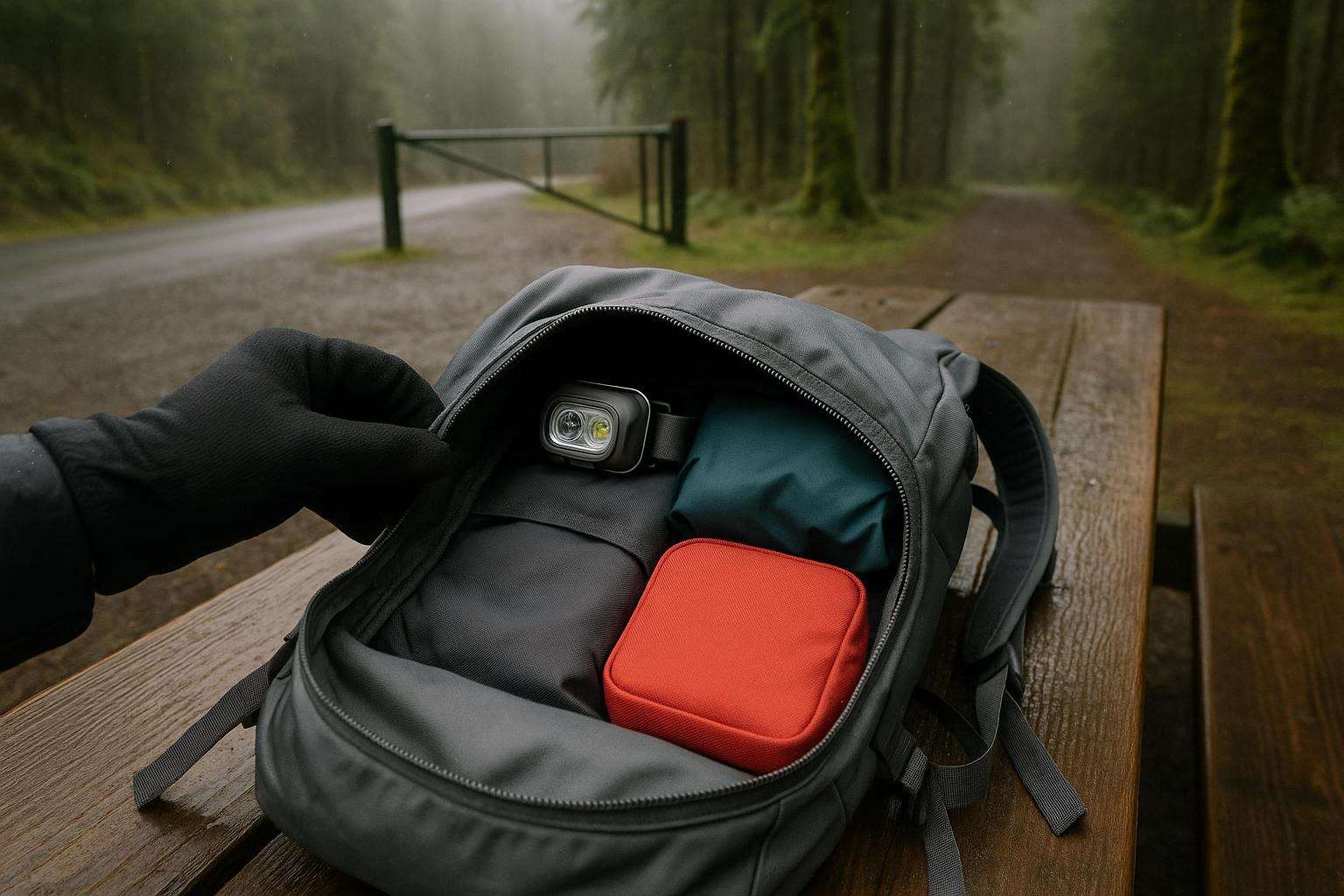
Check pack stitching, zippers, buckles and water‑bladder connections. Look for foam cracked plastic, frayed cord and corrosion on tools or fasteners. A headlamp that works at home may still have batteries, dirty contacts or a switch that activates inside the pack.
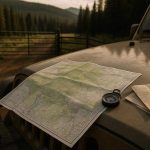
Test your navigation plan without assuming a phone will solve every problem. Confirm that the offline map is available the device is. You know how to use the map, compass or other backup gear you carry. Reception varies with terrain, weather and location. A power bank helps when it supports a plan not when it becomes the only plan.
Pack first‑aid supplies you can identify and use. Replace packets expired medications and damp dressings. Add blister care for walks and keep critical gear accessible rather than buried under food and spare layers. Field safety improves when a response is simple enough to manage with hands or poor light.
Cut weight without cutting resilience
Lightweight packing works when it removes duplication, not capability. Two similar knives, clothing and rarely used accessories add bulk without much security. A reliable insulating layer, rain protection and a dry‑storage method may serve you better than casual layers that perform poorly when wet.
Carry food and water for the route and conditions with a reasonable reserve when delays are plausible. Water‑treatment choices depend on the source, expected volume and how time you can wait or how much extra weight you can carry. Treating water does not replace knowing whether collection is allowed or whether the source may be contaminated.
Use small stuff sacks or waterproof bags selectively. Organizing every item can make a pack tidy while adding weight and packaging. Protect gear, then store frequently used gear where you can reach it without unpacking everything. The best arrangement is one you can maintain when tired.
Let ethics shape what comes along
Gear choices affect habitat well as personal comfort. Durable clothing, repairable gear and reusable containers can reduce waste over time especially when you maintain gear of replacing it for cosmetic defects. Avoid gear that encourages off‑trail travel, careless shortcuts or unnecessary disturbance around wildlife and sensitive vegetation.
For hunting outings responsible preparation includes more than firearms or other lawful gear. Carry what is needed for handling, field care and pack‑out and know your plan before an animal is taken. Do not assume that a method, season, access route or transport practice is legal simply because it was allowed elsewhere or in a year.
Leave‑no‑trace habits also guide decisions: secure food pack out waste keep camps and rest stops discreet and avoid damaging live plants for shelter or fuel. Conservation ethics are part of deciding what the day should look like and what impact it is reasonable to leave behind.
Verify rules before the vehicle leaves
Changing regulations can affect seasons, licenses, tags, methods, shooting hours, access restrictions, blaze‑orange requirements, fire rules and motorized equipment. Requirements may differ by state, management area, landowner and species. Before departure check guidance from the relevant state wildlife agency, land manager or other official authority and save it where it can be viewed without reception.
Include the route in that check. Public access can change gates can close wildfire restrictions can alter travel or camping plans and temporary habitat protections may limit where people can walk or hunt. Maps and older notes help with planning. They do not prove that access or rules remain unchanged.
Use this pre‑departure checklist adjusting it to the outing:
– Route, weather, daylight and return plan reviewed.
– Footwear, pack, clothing, shelter and rain protection inspected.
– Navigation, light, communication and backup power tested.
– Water, food, first‑aid supplies and essential medications packed.
– requirements, access status and seasonal restrictions verified through current official guidance.
– Wildlife, habitat and waste responsibilities discussed with everyone in the group.
The audit is finished when each item has a reason, a working condition and a place, in the plan. If a piece of gear cannot answer those three questions leave it home repair it or replace it before the Pacific Northwest adventure.