Rethinking Access to Western Hunting Grounds
Getting around the hunting areas in the Pacific West can often feel as hard as the hills and mountains you might come across. The trouble is, what maps show as land might not match what you see when you're actually there. A small mistake like taking a road that goes through land can turn a trip that you're excited about into a problem with the law. This shows how important it is to plan your access before you go out. It helps protect your adventure helps you stay on terms with the people who own the land and keeps the hunting community in good shape.
The Landscape of Property Access
Knowing who owns the land is more than looking at a map. Even if a place is listed as public things like rivers, rocks and blocked paths can make it hard to get in. Also some public areas might need rights to get in and these details are not always shown on regular maps.
Start by using the maps that come from the agencies that manage the land. Combine these with maps from counties or other tools that show where the boundaries are. Even though maps on your phone are easy to use they can be wrong. Boundaries and ways in might not be right. Always check that your planned path is legal and be aware that weather and other things can change how easy it is to get in.
Carefully Charting Your Route
When you plan your trip focus on finding a way from a public road to where you want to go. Watch out for signs that say property, gates or other things that nature might put in your way. A path might look okay in the day. Can be dangerous when it gets dark or when the weather is bad.
If you're not sure about the access call the people who manage the land. Ask about the roads rules about where you can camp or have fires what permits you need and any times when the area is closed for protection or safety. Access rules can change a lot so it's an idea to check again just before you go. Using maps or online information might cause problems when you're out there.
If you have to go through land to get to a public place always ask the landowner for permission first. Follow their rules getting permission to cross doesn't mean you can hunt or camp there.
Planning for the Unexpected
As you make your plans think about what to do if something goes wrong. Pick places where you can turn back and make sure you're not blocking gates or narrow roads. If you come across boundaries these places can help you.
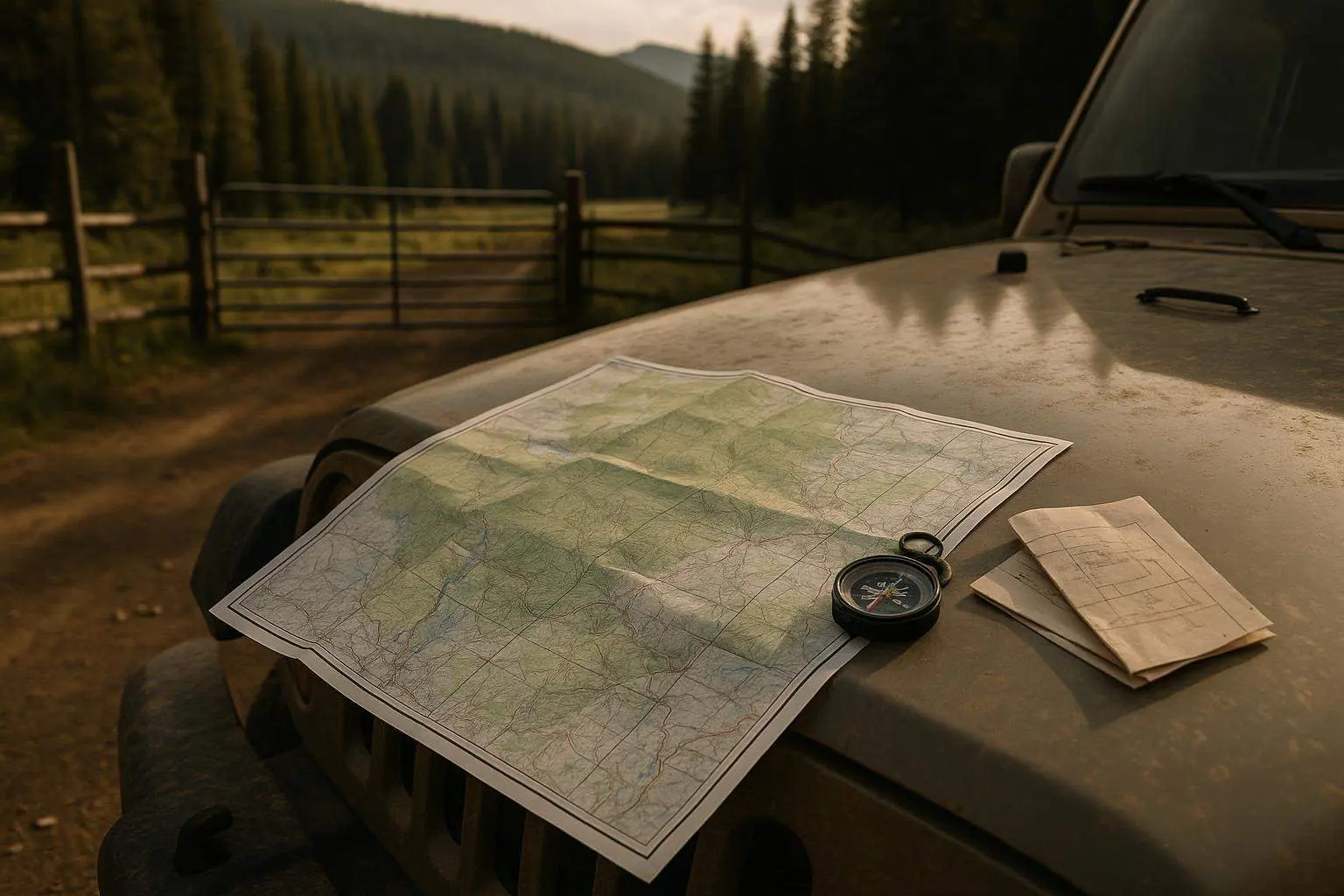
In places without cell service download maps to use without the internet and check when they were last updated. Carry a paper map or printed information about land ownership to avoid getting lost if your tech fails. GPS devices can be helpful. Might not show the right lines, especially in hard to reach areas.
Always tell someone you trust where you're going. Give them details like where you're starting what kind of car you're driving, when you expect to be any signs that might make you change your plan. Like a gate or something dangerous.
Recognizing Field Boundaries
When you're moving around be careful near the edges of the land. Don't go near gates or signs without making sure about where you're. It's easy to get the lines wrong. Remember that not every fence is a property line. Some are for keeping animals in. Signs can be. Not clear. Never go into a place thats not clear. If you think you're near a line go back the way you came. The chance of a problem is much worse than any curiosity.
If you see signs that're not clear or rules you don't understand tell the people who manage the land. Trying to fix the problem yourself can make it worse.
Caring for Wildlife and Their Habitat
Use the places you are allowed to go as lines you don't cross. Don't take shortcuts through wetlands or areas that are being fixed. Stay on the paths that're already there and don't drive on roads that are closed even if they look open. Be kind to the animals and others who are also using the land. Taking a way around areas that are important or where animals live might take more time but it helps keep the animals safe.
Respect the places that're closed even if nothing is happening there. Being careful with the environment helps you stay on terms with the people who own the land and the government, which helps keep the places open for others to use.
Pre-Trip Checklist for Successful Access
As you get ready to go into areas where public and private land're mixed keep this important list with you:
– Check the land ownership and the places you can get into with the newest information.
– Look at any areas rules about fires what permits you need how the roads are and if you can drive there.
– Check all the places where you can go through and park along your way.
– Get maps you can use without the internet and have paper copies ready.
– Get written permission if you have to go through land.
– Find a way in and places where you can turn back.
– Tell someone you trust about your plans. When you'll be back.
– Be ready to go if you see anything that makes you unsure about the lines, the roads or the rules.
Before you leave it's very important to make sure about the access. The best trips come from being careful, with the land and the people who take care of it so that everyone can enjoy these areas.